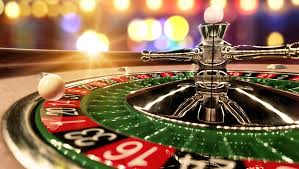
There is always a quiet moment before something uncertain begins.
If you’ve ever watched someone sit in front of a slot machine, finger hovering just above the spin button, you’ve seen it—that pause. It’s subtle, almost invisible, but psychologically, it’s one of the most powerful moments in the entire experience.
In that split second, time stretches. The lights blur. The noise fades. And inside the mind, something far more complex than a simple decision is unfolding.
This isn’t just about gambling. It’s about human behavior under uncertainty—and why we keep coming back to moments where we have no control.
The Psychology Inside That Pause
That silent moment before a spin is packed with emotional tension. Psychologists often refer to this as anticipatory reward—the brain’s tendency to release dopamine not when we win, but when we expect something might happen.
In fact, studies in behavioral neuroscience show that uncertainty increases dopamine activity more than guaranteed rewards. That means the possibility of winning can feel stronger than actually winning.
This explains why the pause feels so intense.
It’s the last moment where:
- You haven’t lost yet
- You might win
- Everything is still possible
As one behavioral researcher once put it:
“The brain doesn’t just crave reward—it craves the uncertainty of reward.”
And that’s exactly what lives in that pause.
The Illusion of Control (Even When There Is None)
Here’s where things get even more interesting.
Slot machines—and most games of chance—are powered by Random Number Generators (RNGs). That means every spin is completely independent. It doesn’t matter:
- When you press the button
- How long you wait
- What happened before
Each outcome is random.
Data shows that most modern slot machines operate with a Return to Player (RTP) between 93% and 98%, meaning over time, the house always has a slight edge.
Yet, despite knowing this, people still feel like timing matters.
Why?
Because humans are wired to look for patterns—even where none exist.
A Reddit user summed it up perfectly:
“Slots don’t actually go ‘hot’ or ‘cold.’ Every spin is random and independent, so streaks just feel real.”
And yet, another user said:
“I had a 90-minute stretch where it kept hitting bonuses. It felt like the machine was paying out on purpose.”
Both experiences are real—but the interpretation is where the illusion forms.
That pause before the spin becomes the moment where we feel like we have influence.
Why the Pause Feels Addictive
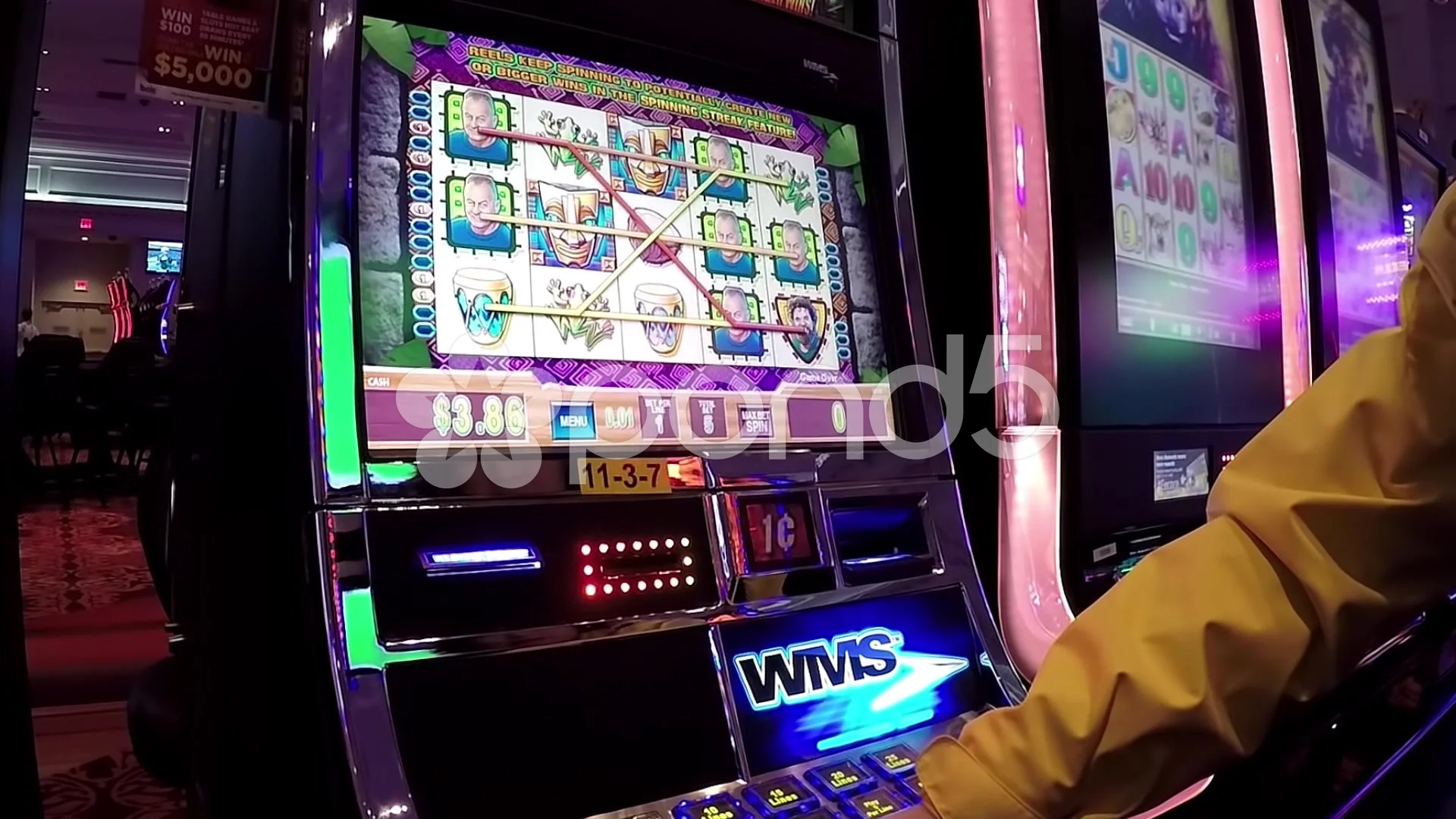
What keeps people coming back isn’t always the win.
It’s that pause.
Here’s why:
1. The Brain Loves “Almost”
Near-misses—like getting two matching symbols and just missing the third—trigger strong emotional reactions. Studies show they activate similar brain regions as actual wins.
2. Micro-Rewards Keep You Hooked
Even small wins can reinforce behavior.
One player described it like this:
“Those tiny jackpots keep you spinning… you feel like you’re close, even when you’re not.”
This is known as variable reward reinforcement—the same principle used in social media and gaming.
3. The Pause Creates Emotional Reset
Every spin is a fresh start.
Losses disappear mentally for a second, replaced by possibility. That pause acts like a reset button for hope.
The Rhythm of Spin, Pause, Repeat
Over time, something subtle happens.
The pause and the spin form a rhythm:
- Pause → Hope
- Spin → Outcome
- Repeat
This loop becomes familiar. Predictable. Even comforting.
It’s no longer just about money—it’s about feeling something.
A casino worker once explained it simply:
“People don’t sit at machines for hours because they’re winning. They sit because they’re in a rhythm.”
And rhythm is powerful. It removes friction. It keeps behavior going without conscious thought.
Real Stories Behind the Silence
While the pause can feel harmless, it also reveals something deeper—and sometimes darker.
In recent reports, some players described being unable to step away, not because of losses, but because of the feeling right before each spin.
One individual shared:
“It wasn’t about the money anymore. It was that moment before pressing the button. That’s what I couldn’t walk away from.”
This highlights an important truth:
The pause isn’t just emotional—it can become behavioral.
What This Moment Reveals About Us
That silent pause is not really about gambling.
It’s about how humans deal with uncertainty.
We see the same pause in everyday life:
- Before sending an important message
- Before opening test results
- Before making a big decision
In all these moments, we stand still, knowing we can’t control what happens next.
And yet—we move forward anyway.
That’s the deeper meaning behind the pause.
It reflects:
- Hope, even without guarantees
- Courage, despite uncertainty
- A desire to believe things might change
The Truth Most People Miss
Here’s the quiet truth behind that moment:
The outcome is random. But the feeling is not.
The emotions you experience—the anticipation, the tension, the hope—are real, measurable, and deeply human.
And they don’t just belong to casinos.
They exist in every part of life where uncertainty lives.
A Final Thought: The Power of Awareness
The next time you notice that pause—whether at a slot machine or in your own life—pay attention to it.
Because in that brief moment:
- You are fully present
- You are aware of risk
- You are choosing to move forward anyway
That’s not weakness.
That’s humanity.
And maybe the goal isn’t to eliminate the pause—but to understand it.
Because once you do, you stop being controlled by it… and start seeing it for what it truly is:
A quiet, powerful reflection of how we face the unknown.